





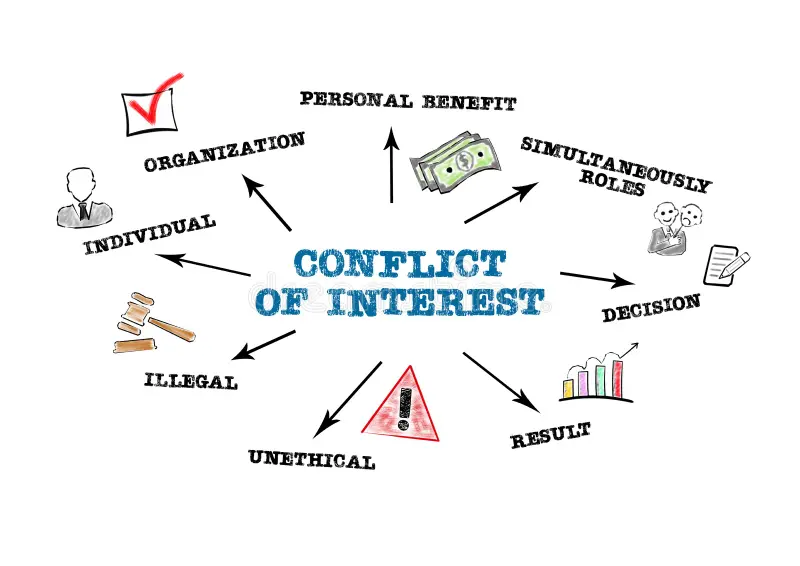



For an expert witness, independence is not simply about believing that an opinion is unbiased. The parties and the court must be able to assess whether any relationship could call that independence into question. A conflict of interest does not automatically prevent an expert from acting. Failing to disclose one can create a much more serious problem.
Independence is the starting point.
CPR Part 35 requires an expert to help the court on matters within their expertise. That duty overrides any obligation to the person who instructed or paid them.Expert evidence should therefore be independent, objective and uninfluenced by the pressures of litigation.
Conflicts can arise in several ways. An expert may have previously treated the claimant, advised one of the parties, worked closely with an organisation involved in the case or have a financial relationship connected with the instruction.
The existence of one of these relationships does not necessarily mean the expert cannot provide evidence. The important question is whether the connection should have been disclosed so that its significance could be considered before the expert proceeded. An expert should be cautious about deciding privately that a relationship is too minor to mention.
Perceived conflicts also matter.
Experts sometimes focus only on whether a relationship has changed their opinion , however a conflict may be significant because of how it appears to an informed observer, even where the expert is personally satisfied that their judgement remains unaffected.
GMC guidance requires doctors acting as experts to remain independent and objective and to disclose relevant personal interests or potential conflicts. Where such a conflict exists, it should be brought to the attention of the instructing party promptly.
Disclosure does not amount to an admission of bias. It allows the position to be dealt with transparently. The expert may still be instructed. The parties may agree that the relationship is sufficiently remote to cause no difficulty. In another case, a different expert may be required here the important point is that the decision should not rest solely with the person whose independence is potentially affected.
Financial relationships require care.
Being paid for medico-legal work is not itself a conflict, experts are paid for their professional time and expertise.
Nor does receiving repeated instructions from the same solicitor, insurer or medical reporting organisation automatically make an expert unreliable. The problem arises where there is a separate financial interest capable of influencing, or appearing to influence, the expert’s evidence.
An expert may have a financial interest in an organisation involved in the case, a commercial arrangement connected with referrals or another business relationship that could be considered relevant. Professional and reputational interests may also create difficulties. An expert might previously have publicly adopted a position directly connected with the dispute or have another relationship which could make impartiality appear doubtful.
These circumstances do not automatically establish bias. They do, however, strengthen the case for disclosure.
Previous clinical involvement may be relevant.
Treating doctors are sometimes asked to provide expert evidence because they already know the claimant and their medical history. That knowledge may be useful, but the treating role and the independent expert role are different.
A doctor who has been involved in the claimant’s treatment may already have formed views about diagnosis, causation or prognosis. That does not necessarily prevent them from acting as an expert, but the nature and extent of the earlier involvement should be made clear.
Similar concerns arise where an expert previously advised one of the parties about the same dispute. The Civil Justice Council guidance encourages experts to consider carefully whether previous involvement creates a conflict before accepting a new role.
Early consideration matters. A difficulty identified before an examination may be easily resolved. The same problem discovered shortly before trial can affect the entire case timetable.
The report may lose credibility.
Once an undisclosed conflict becomes known, the medical conclusions themselves may receive closer scrutiny, the opposing party may question whether the expert was genuinely independent. The issue may be raised in written questions, during an experts’ discussion or in oral evidence.
The court does not automatically disregard expert evidence merely because a potential conflict exists. Much will depend on the nature of the relationship and whether it could realistically have influenced the evidence.
Failure to disclose the relationship, however, creates an additional question. Why was it not mentioned?
That can be more damaging than the conflict itself. A relationship that might originally have been regarded as insignificant can assume greater importance because it appears to have been concealed. The expert’s credibility may then become part of the dispute.
There can be practical consequences for the case.
An undisclosed conflict may also create significant delay and expense.
If the expert can no longer act, another expert may need to review the medical records, examine the claimant and prepare a replacement report. Existing directions may need to be altered, and further questions may arise from differences between the two opinions.
If the problem is discovered close to a hearing, the consequences may be greater.
The instructing party may also face difficulty if permission to rely upon expert evidence is affected. The court retains control over expert evidence under CPR Part 35, including whether it is required and whether a party may rely upon it.
For medical experts, failure to disclose a relevant conflict may additionally raise professional standards concerns. The significance will depend on the individual circumstances, including the nature of the relationship and whether the omission was deliberate.
Conflict checks should happen early.
The simplest protection is an effective conflict-checking process, before accepting instructions, the expert should know enough about the claimant, defendants, organisations and relevant professionals to identify obvious connections.
If something potentially relevant is found, it should be raised before significant work begins. Conflict checking should also continue throughout the instruction. New information may reveal a connection that was not apparent initially.
The expert should not assume that the solicitor already knows about the relationship. Nor should a medical reporting organisation decide on the expert’s behalf that a potential conflict does not need to be mentioned, the duty of independence belongs to the expert.
Disclosure itself need not be complicated. The relationship can be described factually, its extent explained and the instructing party asked to confirm how they wish to proceed. The purpose is transparency, not unnecessary withdrawal from instructions.
Experienced medico-legal experts will inevitably develop professional relationships across the sector. Previous instructions, clinical work and commercial connections are not unusual, but the danger arises when those connections are hidden.
A disclosed conflict can be assessed and, where appropriate, managed. An undisclosed conflict can undermine confidence not only in one opinion, but in the expert who gave it and for that reason, the safer principle is simple: where a relationship could raise a question about independence, disclose it before somebody else does.