



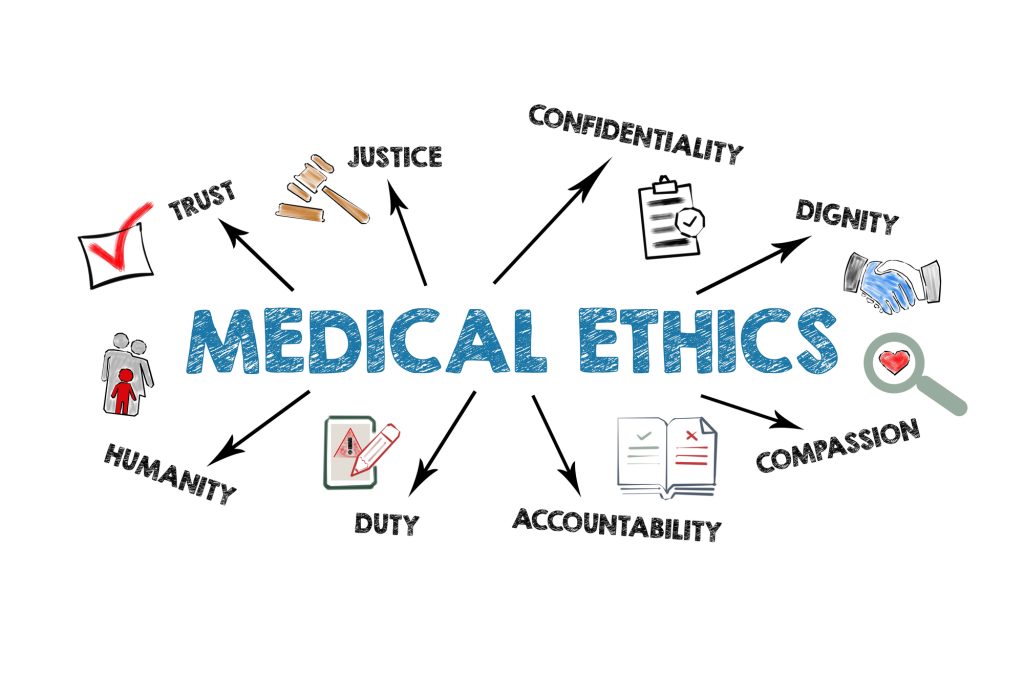






The central distinction is between a genuine correction or professional reconsideration and an attempt to reshape the evidence to improve one party’s case. An expert’s duty is to the court, not to the solicitor, insurer or claimant who instructed them. Practice Direction 35 requires expert evidence to be independent, objective and uninfluenced by the pressures of litigation. Experts must also consider material facts that may detract from their conclusions.
Disclosure Does Not Prevent a Change of Opinion.
An expert is not required to defend an opinion they no longer believe to be correct. Indeed, Practice Direction 35 states that where an expert’s view changes on a material matter after producing a report, the change should be communicated to all parties without delay and, where appropriate, to the court.
The Civil Justice Council’s guidance recognises that amendments may become necessary following written questions, agreements reached during discussions between experts, or the disclosure of further evidence or documentation. It also states that where an expert significantly alters an opinion, the report should be amended and the reasons for the change explained.
A changed opinion may therefore demonstrate professional independence rather than weakness. The important questions are why the opinion changed, when the relevant information became available and whether the amendment has been presented transparently.
Correcting an Error Is Usually Proper.
Some amendments are straightforward. A report may contain an incorrect accident date, an inaccurate medication name, a transcription error or a mistaken reference to the side of the body affected. Where the underlying evidence is clear, correcting the mistake promotes accuracy and should not be controversial.
The correction should nevertheless be visible. Quietly replacing a disclosed report with a clean version can create uncertainty about what was altered and why. A short correction note, addendum or clearly marked amended report will usually provide a better record.
The expert should identify the original error, explain the correction and confirm whether it affects any other part of the opinion. Even a minor factual amendment can have wider consequences. An incorrect date for a previous accident, for example, may change the expert’s understanding of a pre-existing condition and consequently affect causation or prognosis.
The expert should therefore consider the effect of the correction rather than treating it as a purely administrative exercise.
New Evidence May Require a New Opinion.
Medical records disclosed after the original report may reveal previous symptoms, earlier treatment, inconsistent accounts or an unrelated medical event. Updated records may show that the claimant recovered within the original prognosis or, conversely, that symptoms continued and further treatment was required.
An expert should not ignore relevant evidence merely because the first report has already been served. Their duty is to provide a properly reasoned opinion based on the available information.
Where the new evidence affects a material conclusion, the expert should identify what has been reviewed, explain how it changes the factual basis of the original report and set out the reasoning behind the revised opinion.
The explanation becomes particularly important where the amendment benefits the instructing party. An extended prognosis given only after a claimant challenges the original report may attract scrutiny unless it is supported by new evidence or a clearly identified mistake.
A claimant’s disagreement with the prognosis is not, by itself, new medical evidence. The expert must decide whether the additional information genuinely justifies a different opinion.
Clarification Must Not Become Advocacy.
Solicitors may properly identify typographical errors, unclear passages, omissions and internal inconsistencies. They may ask whether the report answers the questions contained in the instructions and whether the reasoning can be expressed more clearly.
The Civil Justice Council guidance allows experts to be invited to amend reports to improve accuracy, clarity, internal consistency, completeness and relevance. It also makes clear that experts must form their own views and should not accept suggestions that do not accord with their opinions.
A solicitor cannot properly negotiate the medical evidence. An expert should not lengthen a prognosis because the original period produces an unattractive valuation, remove an adverse reference to the records, soften a causation concern or add a diagnosis that the clinical evidence does not support.
There is an important difference between asking an expert to explain their reasoning and asking them to change the conclusion. A useful test is whether the expert could openly explain the amendment and the reason for it to the trial judge. Where the true explanation is simply that the original opinion was unhelpful, the amendment is unlikely to be proper.
Questions After Disclosure Become Part of the Evidence.
Under CPR Part 35, proportionate written questions may usually be put to an expert within 28 days of service. Unless the court permits otherwise or the parties agree, those questions must be for the purpose of clarifying the report. The expert’s answers are treated as part of the report itself.
These questions may reveal that the original wording was incomplete, inconsistent or capable of being misunderstood. The expert may clarify the position in the answers or prepare an addendum where a more substantial correction is required.
The process should not be used to obtain an entirely new and more favourable opinion without acknowledging the departure from the original conclusion.
The same principle applies following discussions between experts. Where an expert significantly changes a previously recorded opinion, Practice Direction 35 requires the joint statement to include a note or addendum explaining that change.
The Original Report Does Not Disappear.
Once an expert report has been disclosed, another party may use it as evidence at trial under CPR 35.11. Replacing the report, withdrawing reliance on the expert or serving a more favourable addendum does not necessarily erase the original opinion.
The Personal Injury Pre-Action Protocol also recognises the significance of an amended report. Where the defendant did not object to the claimant’s nominated expert, one circumstance in which the defendant may subsequently rely on its own expert evidence is where the claimant’s report has been amended but the claimant is not prepared to disclose the original.
Attempting to conceal the first version may therefore create greater difficulty than the original mistake. It can raise questions about the expert’s independence, the instructions received and the true reason for the alteration.
What Should a Proper Amendment Contain?
A proper amendment should make the history easy to follow. It should identify the new evidence or error, state which parts of the original report are affected, explain the reasoning behind any changed conclusion and confirm which opinions remain unchanged.
The response should be proportionate to the amendment. A short, signed and dated correction note may be sufficient for a typographical mistake. A material alteration to diagnosis, causation or prognosis will normally require a reasoned addendum or clearly identified amended report.
The revised evidence should also contain the appropriate declaration and statement of truth. Practice Direction 35 requires the expert to confirm that the opinions expressed represent their true and complete professional opinions.
Transparency Is the Deciding Principle.
An amendment after disclosure is not improper merely because it changes the value or strength of a claim. Experts may reconsider their opinions and must correct material mistakes. The problem begins when the amendment is hidden, inadequately explained or driven by the tactical interests of the instructing party.
A reliable amended report shows its workings. It allows the opposing party and the court to understand what changed, why it changed and whether the revised conclusion remains genuinely independent.
The question is therefore not whether an expert may change their mind after disclosure. They may and sometimes must. The real question is whether the amendment reflects new evidence, correction of a genuine error or honest professional reconsideration, and whether that change has been communicated with complete transparency.