









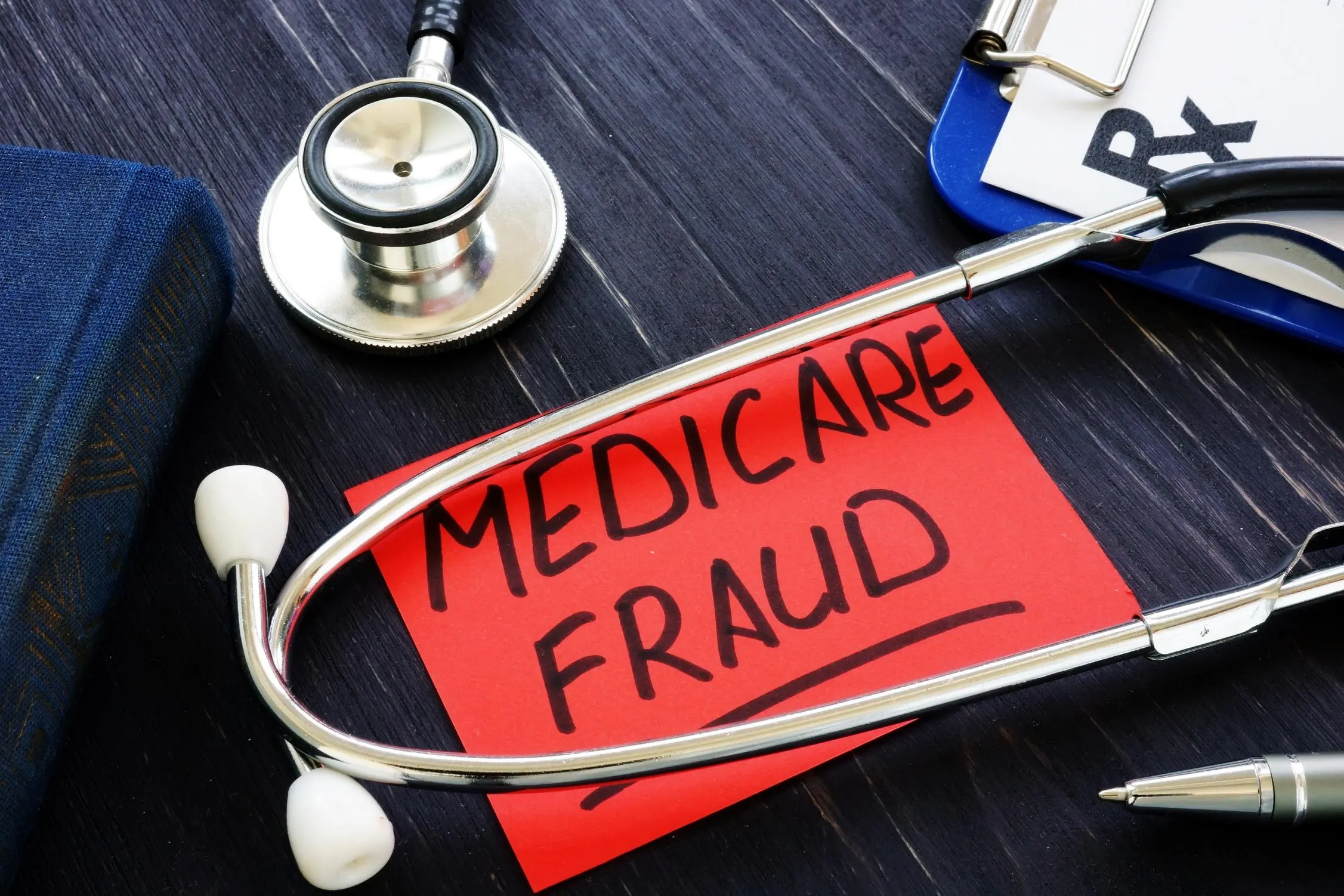
Few disputes illustrate this better than low-value road traffic and whiplash claims. Medical experts are frequently presented with claimants who report symptoms that cannot easily be measured by scans, blood tests or other objective investigations. Pain, stiffness, anxiety and reduced function are often genuine experiences. Determining whether those symptoms are being accurately reported is another matter entirely.
For insurers, exaggeration represents a financial risk. For claimants, allegations of dishonesty can threaten legitimate claims. For the courts, the challenge is deciding where imperfect recollection ends and deliberate deception begins,caught in the middle are medico-legal experts.
Despite common assumptions, expert witnesses are not human lie detectors. Their role is to assess medical evidence, review records and provide an independent opinion on diagnosis, causation and prognosis. They can identify inconsistencies. They can compare reported symptoms with the clinical picture. They can highlight discrepancies between medical records and examination findings. What they cannot usually do is determine with certainty whether a claimant is intentionally exaggerating their symptoms.
That distinction matters because the personal injury system increasingly relies on conditions where objective evidence is limited. Whiplash injuries, chronic pain disorders and psychiatric conditions depend heavily on self-reported symptoms. As a result, questions of credibility often become as important as questions of diagnosis.
The debate surrounding fraudulent claims is unlikely to disappear. Yet the greater challenge facing the medico-legal sector may not be identifying outright fraud. It may be dealing with the far larger number of cases that occupy the grey area between complete honesty and deliberate deception.
That is where expert evidence carries its greatest value. Not because it can prove dishonesty, but because it helps courts assess claims using clinical analysis rather than assumption. The future of medico-legal reporting may depend less on exposing fraud and more on answering a far more difficult question: how should the legal system respond when the truth lies somewhere in between?