



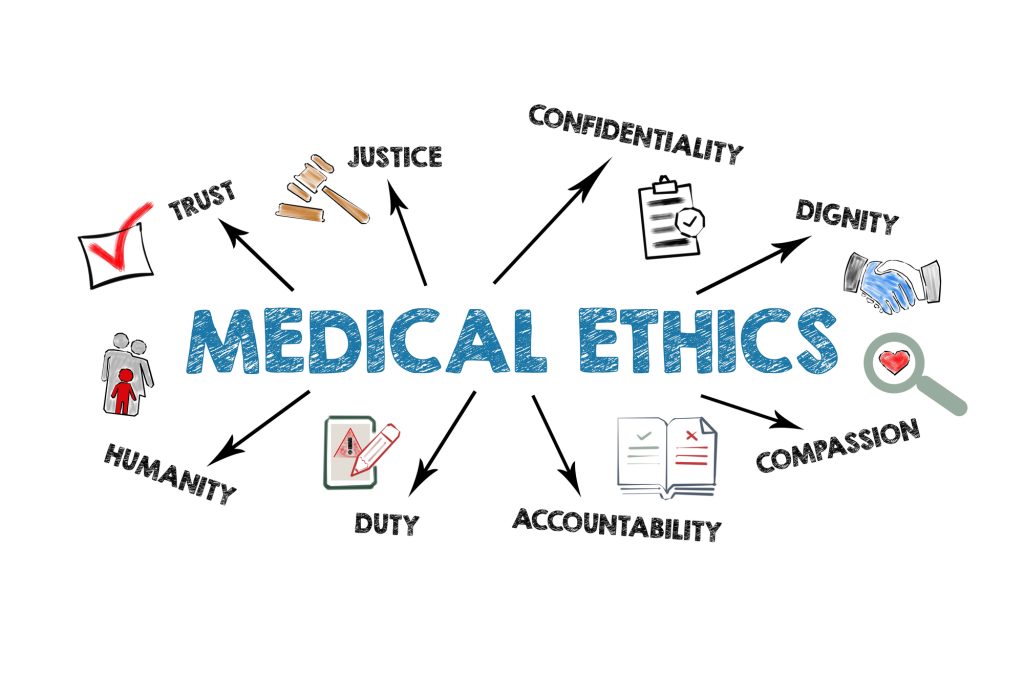






Experts should take every complaint seriously, but they should not assume that a complaint proves that something has gone wrong. The strongest response combines prompt communication, careful review of the evidence and a willingness to correct genuine mistakes while maintaining professional independence.
Acknowledge the Complaint Promptly.
The expert should acknowledge receipt of the complaint as soon as reasonably possible.
The initial response does not need to address every allegation immediately. The expert may need time to review the report, medical records, correspondence and examination notes before providing a detailed reply.
Where an organisation has a formal complaints procedure, the expert should follow it and comply with any relevant response timescales. A prompt acknowledgement helps demonstrate that the concern has been taken seriously and reduces the risk of unnecessary escalation.
Review the Original Evidence.
Before responding in detail, the expert should return to the evidence available when the report was prepared.
This may include the original instructions, medical records, questionnaire, examination notes, correspondence and any earlier versions of the report. The expert should also establish whether the complainant has supplied current information that was not available during the original assessment.
This distinction matters. A conclusion may have been reasonable on the evidence available at the time but require reconsideration once new records emerge. Alternatively, the complaint may simply reflect disagreement with a properly reasoned medical opinion.
The expert should therefore review the complaint with the same independence used when preparing the original report.
Separate Factual Errors From Differences of Opinion.
Not every complaint raises the same type of issue.
A claimant may correctly identify the wrong occupation, accident date or description of their position in the vehicle. The expert should investigate and correct genuine factual errors.
A different situation arises when the claimant disagrees with the expert’s medical opinion. For example, a claimant may believe that symptoms will continue permanently while the expert predicts recovery within several months.
A disagreement with prognosis does not automatically establish an error.
The expert should consider whether the opinion still has a sound clinical and evidential basis. If it does, the response should explain the reasoning rather than changing the conclusion simply because the claimant disagrees with it.
Correct Genuine Mistakes.
Where the review identifies a genuine error, the expert should acknowledge it and take appropriate steps to correct it.
Attempting to defend an obvious mistake can cause more difficulty than the original problem.
If a report states that the claimant was driving when they were a passenger, for example, the expert should correct the history and consider whether the mistake affects the mechanism of injury or any other part of the opinion.
Not every factual correction changes the overall medical conclusion. However, the amended report should make the position clear.
Where an error has caused genuine concern or distress, a straightforward explanation and appropriate apology may also help resolve the issue.
Do Not Change an Opinion Simply to End the Complaint.
A complaint can create pressure to amend an opinion, particularly when the claimant strongly disagrees with the conclusion.
The expert should not change a properly reasoned opinion simply to bring the complaint to an end.
Professional independence requires the expert to base diagnosis, causation, prognosis and treatment recommendations on the available medical evidence rather than the preferences of the claimant or instructing party.
However, independence does not mean refusing to reconsider an opinion. New records, clarification of the history or recognition of an error may properly lead to a different conclusion.
If the expert changes a material opinion, they should explain clearly what new information caused the change.
Keep the Response Objective.
A formal complaint can feel personal, especially where it criticises the expert’s competence or integrity.
The response should nevertheless remain factual and professional.
The expert should address the substantive concerns; explain what evidence they reviewed and identify any action they have taken. Defensive language, criticism of the claimant or speculation about motives rarely assists.
Where allegations are inaccurate, the expert can correct them firmly while maintaining a professional tone.
The purpose of the response should be to explain the position clearly, not to win an argument.
Preserve the Relevant Records.
Experts should retain the documents relevant to the complaint.
The original report, amendments, examination notes, correspondence and supporting records may become important if the complaint progresses.
The expert should not retrospectively alter original notes. If further clarification becomes necessary, a separate dated note can record the additional information.
Good record keeping allows the expert to show what evidence they had, what reasoning they applied and why they reached the original conclusion.
This becomes particularly important where the complaint concerns an alleged difference between what the claimant said during the examination and what appears in the report.
Protect Confidentiality.
A complaint does not remove the expert’s duty to protect sensitive medical information.
The expert should only share information with people or organisations that have an appropriate reason to receive it. Depending on the circumstances, this may include the medical reporting organisation, instructing solicitor, indemnity provider or professional regulator.
Experts should take particular care when forwarding complaint correspondence because it may contain medical records or other sensitive personal information.
Secure communication and careful handling of documents remain essential throughout the complaints process.
Consider Whether Professional Advice Is Needed.
Some complaints can be resolved through a straightforward correction or explanation. Others may raise more serious allegations involving confidentiality, dishonesty, professional conduct or the adequacy of the examination.
Where a complaint could have regulatory, disciplinary or legal consequences, the expert may need advice from a medical defence organisation, professional indemnity provider or an appropriately experienced adviser.
Seeking advice should not become a reason for ignoring the complaint. The expert should still acknowledge it promptly and cooperate with any legitimate investigation.
Learn From the Complaint.
A complaint may identify a wider weakness even where the expert disagrees with some of the allegations.
Repeated complaints about factual errors may indicate a problem with report-writing software or checking procedures. Concerns about unclear prognosis wording may show that reports need better explanations.
The expert should therefore consider whether the complaint justifies changes to templates, quality checks, examination processes or staff training.
This can help prevent similar issues from occurring again.
A Professional Response Protects the Report.
The way an expert handles a complaint can matter as much as the issue that caused it.
Experts should respond promptly, review the evidence carefully, correct genuine mistakes and explain properly reasoned opinions. They should remain open to current information without allowing dissatisfaction or external pressure to dictate their conclusions.
Where an error occurred, transparency usually provides the strongest response. Where the original opinion remains sound, clear reasoning should explain why.
A formal complaint should therefore prompt careful review rather than defensiveness. By responding objectively, keeping accurate records and learning from legitimate concerns, the expert can protect professional standards and maintain confidence in the medico-legal reporting process.