






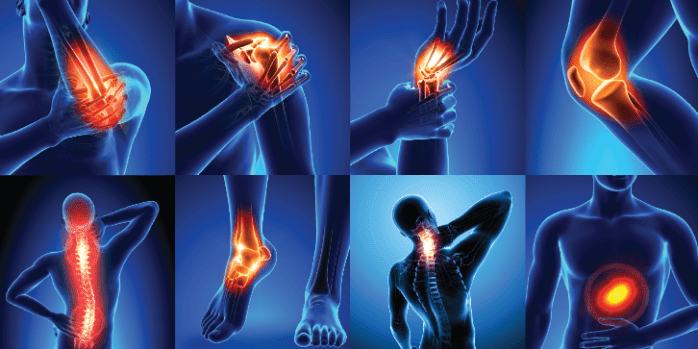



Fear of pain, reinjury or physical damage can become a significant barrier to rehabilitation. It may lead a person to avoid activities that are medically safe, reduce participation in treatment and interpret ordinary discomfort as evidence of further harm. Over time, the consequences of avoidance may become as disabling as the original injury.
Not every cautious claimant has a psychological problem. Early protection may be entirely appropriate. Fear begins to delay rehabilitation when it persists beyond reasonable clinical restrictions and prevents the gradual restoration of function.
Caution is not the same as fear avoidance.
After an accident, some reluctance to move is understandable. Movement may hurt. The claimant may remember the accident itself, a difficult operation or an earlier attempt at activity that caused a painful flare-up. They may also have received instructions to rest, protect the injured area or avoid weight-bearing. The expert must first establish whether the claimant’s behaviour is consistent with the medical advice they were given.
A person recovering from surgery should not be criticised for observing restrictions imposed by the surgical team. Someone with an unstable injury, neurological symptoms or unresolved pathology may have sound reasons for limiting activity. Fear should not be diagnosed merely because the claimant moves slowly or reports concern.
The position changes when medical restrictions have been lifted but the claimant continues to behave as though serious damage remains likely. They may avoid bending, lifting, walking, driving or returning to work despite reassurance that these activities can be resumed gradually.
This pattern is sometimes described as fear avoidance or Kinesio phobia. The label is less important than the effect. The relevant question is whether the fear is preventing clinically appropriate movement and participation.
The claimant begins protecting more than the injury requires.
Fear rarely presents as a simple refusal to exercise. It is often visible in the way activity is performed. A claimant may hold a limb rigid, brace before every movement or rely on an aid that is no longer clinically required. They may repeatedly seek reassurance before increasing an exercise. Ordinary post-exercise discomfort may lead them to stop the programme entirely.
Others reduce activity more broadly. They stop household tasks, abandon hobbies and avoid social journeys. A claimant who initially feared one movement may gradually begin avoiding almost any activity associated with discomfort and the physical consequences can then maintain the problem. Reduced movement may contribute to weakness, stiffness and loss of conditioning. Activities consequently feel more difficult, which appears to confirm the claimant’s belief that their body remains vulnerable.
NICE recommends early, personalised exercise after traumatic injury, together with assessment of emotional difficulties that may affect participation. Rehabilitation should begin when the person is ready and able to engage, but psychological and emotional support should form part of the pathway rather than being postponed until physical treatment has failed.
Fear has begun to delay rehabilitation when avoidance is producing a measurable loss of function or preventing expected progression through an otherwise suitable programme.
Pain during rehabilitation may be misunderstood.
Many claimants assume that successful rehabilitation should not hurt. When discomfort occurs, they conclude that the exercise is causing further injury. That belief may arise from poor explanation rather than entrenched fear. The distinction between pain and damage is not always intuitive. A claimant may require clear advice about the symptoms that can occur when activity is resumed, how long a temporary increase may last, and which warning signs require medical review.
Repeated reassurance that “everything is fine” is rarely enough. The claimant needs an explanation that relates to their own injury and findings. They should understand what has healed, what remains restricted and why a particular movement is now considered safe.
The physiotherapy records may be helpful. They may show repeated concern about reinjury, reluctance to progress exercises or a discrepancy between physical capacity in the clinic and reported activity elsewhere. Equally, they may show that the programme was advanced too quickly or that the claimant’s concerns were dismissed without adequate assessment. Fear should not become a convenient explanation for treatment that was unsuitable.
The original injury is no longer the only barrier.
A claimant may begin rehabilitation with a genuine physical limitation. Later, the physical findings improve but function does not progress at the same rate. This discrepancy does not prove exaggeration however, it may suggest that confidence, expectation and behaviour have become relevant to recovery.
Research across several musculoskeletal conditions has associated fear of movement with poorer function or treatment outcomes, although the strength and consistency of the evidence varies by condition. Reviews concerning low back pain have found that fear-avoidance beliefs may be particularly relevant during the subacute stage, when early intervention may reduce the risk of delayed recovery.
The expert should avoid applying findings from one condition mechanically to another. Fear after an anterior cruciate ligament injury, spinal pain or major trauma may develop for different reasons. A systematic review concerning anterior cruciate ligament injury found that fear and confidence changed during recovery, but also described the overall evidence as weak.
A careful opinion therefore identifies the individual evidence. What activities are being avoided? What does the claimant believe those activities will cause? Are those beliefs consistent with the diagnosis and current clinical findings? Has the claimant been given suitable advice and an opportunity to test those beliefs safely?
More physiotherapy may not solve the problem.
Where fear is the principal barrier, prescribing another routine course of physical treatment may achieve little.
The claimant may attend every appointment yet remain unwilling to increase activity. Passive treatment may temporarily reduce symptoms without changing the belief that movement is dangerous. Repeating massage, mobilisation or gentle exercises can even reinforce the idea that the body remains damaged and requires continuing professional protection.
The treatment may need to become more explicitly directed at fear.
This can include education, agreed functional goals and gradual exposure to avoided activities. The pace should be challenging enough to produce progress but not so demanding that it confirms the claimant’s fears. Progress may be measured through function rather than pain alone: walking further, using stairs, lifting an object or tolerating a longer period at work.
For low back pain and sciatica, NICE recommends considering combined physical and psychological programmes where significant psychosocial obstacles to recovery are present, including avoidance of normal activities based on inappropriate beliefs about the condition.
That does not mean every fearful claimant requires formal psychological treatment. Some improve with clear explanations and well-supervised rehabilitation. Others may benefit from psychologically informed physiotherapy. More marked anxiety, trauma symptoms, depression or persistent pain-related distress may justify separate psychological or specialist pain assessment.
What should the expert ask?
A general question such as “Are you frightened of movement?” is unlikely to be enough.
The expert should ask which movements are avoided and what the claimant expects will happen. Is the concern about pain, reinjury, falling, surgical failure or permanent deterioration? Did a clinician advise the restriction, or did the claimant impose it themselves?
The timing matters. Fear present immediately after a serious accident may be understandable. Fear that remains unchanged after healing, repeated reassurance and successful supervised movement may carry greater prognostic significance.
The expert should also explore what happens during rehabilitation. Does the claimant stop at the first sign of discomfort? Have exercises been attempted consistently? Has activity been progressed? Were flare-ups managed by temporary adjustment or complete withdrawal?
Observation may assist but should not be overinterpreted. Guarded movement during a formal examination can reflect pain, anxiety or unfamiliarity. It does not, by itself, establish a persistent fear-avoidance pattern. Any conclusion should rest on the history, clinical findings and treatment records together.
The report must separate clinical opinion from blame.
In litigation, fear of movement may be raised when the claimant’s recovery has taken longer than expected. The expert may be asked whether earlier engagement would have improved the outcome. It may be reasonable to conclude that avoidance contributed to deconditioning, reduced confidence or delayed functional restoration. The expert should explain the mechanism and identify the evidence supporting it.
Greater caution is required when estimating how much sooner recovery would have occurred. The course of rehabilitation is affected by the original injury, treatment availability, pain, psychological response, employment and domestic circumstances. An exact alternative recovery date may not be clinically defensible.
The expert should also avoid deciding whether the claimant failed to mitigate their loss. That is a legal question. The clinical task is to state whether the claimant’s behaviour was reasonable in the circumstances, whether it affected recovery and whether appropriate treatment could still improve function.
Fear of movement delays rehabilitation when it prevents a person from doing what their recovering body is reasonably capable of doing. It should neither be dismissed as weakness nor accepted without examination.
The expert’s role is to identify when necessary protection has become unnecessary avoidance. Once that change has occurred, further rehabilitation must address the fear as well as the movement. Otherwise, treatment may continue while recovery stands still.