






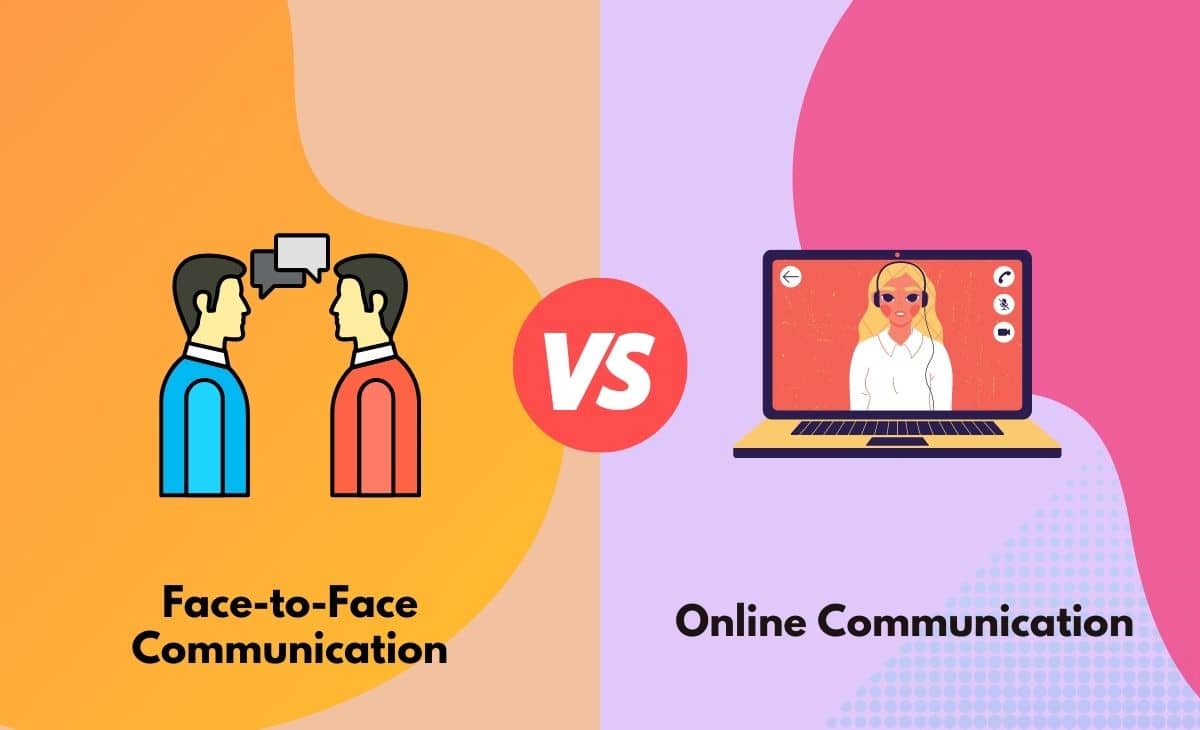
Sometimes it was. Sometimes it was not. The mistake is to treat the method of consultation as a measure of quality. A face-to-face appointment can be hurried and clinically superficial. A remote appointment can be careful, focused and well documented. The proper question is whether the chosen format allowed the expert to obtain the evidence required for the opinion.
The purpose must come first.
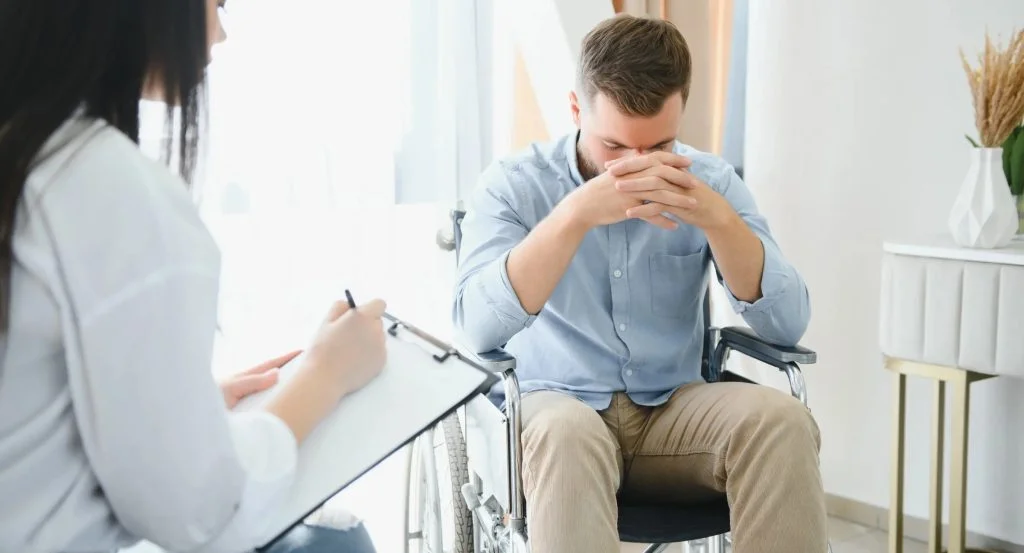
A medico-legal assessment is not simply a conversation with a claimant. The expert may need to establish the history, compare it with the records, assess current symptoms, examine function, consider diagnosis and give an opinion on causation and prognosis.
Not every case requires the same evidence. A psychological assessment may depend mainly on a structured history, mental-state observations and documentary material. A musculoskeletal case may require measurement of movement, neurological testing or examination of a scar. An assessment involving balance, gait, grip strength or subtle neurological signs may lose important information when conducted through a screen.
Current GMC standards do not treat remote consultations as inherently unacceptable. Doctors must provide safe and effective care whether working face-to-face or remotely. The chosen method must permit an adequate assessment, proper dialogue and consent, with reasonable adjustments for communication needs. Although medico-legal assessment is not the same as clinical treatment, the professional principle remains useful: the format must support the work being undertaken.
The decision should therefore be made before the appointment, not rationalised afterwards.
What remote assessment does well.
Remote appointments may improve access. A claimant with limited mobility, severe anxiety, caring responsibilities or a distant residence may be able to attend with less disruption. The familiar setting may reduce distress and allow a fuller account, particularly where travel would aggravate symptoms.
Video can provide useful observational evidence. The expert may see facial expression, communication style, apparent discomfort and some aspects of movement. In psychological cases, a well-conducted video assessment may permit meaningful observation of mood, concentration, speech and engagement.
Remote assessment may also avoid the effect of a difficult journey. A claimant who arrives exhausted after two hours of travel may present differently from their usual state. That may itself be relevant, but it can distort an assessment intended to consider ordinary functioning.
Records can be reviewed on screen, documents discussed in sequence and interpreters or supporters included without requiring everyone to travel. These advantages do not establish that remote evidence is better. They show why it may sometimes be the more proportionate method.
What the screen cannot provide.
The limitations are real, cameras only show what are placed before them. The expert may not know who else is present, whether the claimant is being prompted or what occurs outside the camera’s field. Poor sound, delay and unstable connections may affect questioning and the interpretation of pauses.
Physical examination presents the clearest difficulty. A claimant can be asked to move a shoulder or bend forward, but the expert cannot perform palpation, resistance testing, reflex testing or a complete neurological examination. Measurements made through video may be approximate and depend on camera position, available space and the claimant’s understanding.
There is also a risk of overinterpreting behaviour. Sitting comfortably during a video call does not establish an ability to sit for a full working day. Looking away may reflect distraction, anxiety, poor eye contact or activity elsewhere in the room. Remote observation should not be presented as though it carries the same weight as a structured physical examination.
A proper report should state what could not be examined. “Remote examination undertaken” is not enough. The reader needs to know which findings were observed, which were self-reported and which usual tests were unavailable.
Face-to-face is not automatically better.
Physical attendance permits direct examination and broader observation. The expert can assess gait, examine scars, test movement and respond to unexpected findings. Communication may also be easier where there is hearing loss, cognitive difficulty, language difficulty or poor access to technology.
Yet face-to-face appointments have their own weaknesses. A short examination performed without adequate records does not become reliable merely because the claimant was in the room. Physical attendance does not correct vague questioning, confirmation bias or failure to examine inconsistencies.
Experts should also be cautious about informal observations. How a claimant removes a coat or sits in reception may be relevant, but it is not a full functional-capacity assessment. Behaviour observed during a brief appointment must be placed in context and should not support sweeping findings about daily ability. The quality of evidence depends more on the expert’s reasoning than on the room in which the assessment occurred.
Choosing and recording the method.
The instructing party may propose a remote appointment, but the expert remains responsible for deciding whether it is professionally suitable. The Personal Injury Pre-Action Protocol envisages an examination addressing relevant history, present condition, capacity for work and prognosis. The chosen method must allow the expert to answer those questions properly.
Before accepting a remote assessment, the expert should consider the injury type, disputed issues, need for physical tests, communication requirements, available records and whether a later physical examination is likely to be necessary.
If material limitations become apparent during the appointment, the sensible response may be to stop, defer the opinion or arrange an in-person examination. Producing a report regardless may be convenient, but it risks presenting an incomplete assessment as sufficient evidence. The report should identify the consultation method, who was present, any communication problems, the extent of the examination and the limitations created by the format. If those limitations materially restrict the opinion, that must be said plainly.
There is no universal winner. Remote assessment may produce better evidence when access, communication and detailed history-taking are the main requirements. Face-to-face assessment is generally stronger where diagnosis or prognosis depends on direct physical findings. The defensible approach is to match the method to the clinical and medico-legal questions. Sometimes that requires a staged process: remote history-taking followed by a focused physical examination.
Good evidence permits a reasoned opinion and makes its limitations visible. Whether the claimant sat across a desk or appeared on a screen is secondary. What matters is whether the expert obtained enough reliable information to say what can properly be concluded and had the discipline to say what cannot.