









Physical injury reporting is not always straightforward, but the structure is often familiar: what happened, what was injured, what treatment followed and how long recovery is likely to take. Psychiatric injury is different because the claimant’s symptoms may fluctuate, the records may be incomplete, and the effect on daily life may not be obvious during a single assessment. A claimant may appear composed in consultation but be unable to drive, return to work, sleep properly or tolerate reminders of the accident.
That is why mental health reporting structure, but it also needs careful judgement. A template may help ensure that important topics are covered, but it cannot decide whether the accident caused the symptoms, whether pre-existing vulnerability is relevant, or whether the claimant’s presentation is consistent with the wider evidence.
Diagnosis is only the start.
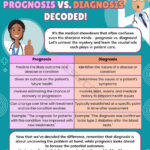
A diagnosis matters, but it is not the whole answer. If a claimant is diagnosed with PTSD, depression, anxiety or adjustment disorder, the court still needs to understand what that diagnosis means in the context of the claim. The expert must consider whether the condition was caused or aggravated by the accident, whether similar symptoms existed before, how the claimant’s function has changed, what treatment is reasonable and what recovery is likely.
Two claimants may have the same diagnosis but vastly different outcomes. One may recover well with treatment and return to normal life within a relatively short period, while another may remain avoidant, fearful or unable to work for much longer. The label alone does not explain severity, causation or prognosis, which is why a psychiatric report must show the reasoning behind the opinion rather than simply naming the condition.
The records are often thin.
One of the main difficulties in mental health claims is that the records are often incomplete or vague. A GP note may refer to stress, low mood or anxiety without explaining severity, cause, duration or functional impact. Early medical records may focus on physical symptoms, with little or no mention of sleep disturbance, travel anxiety, panic, nightmares or low mood.
That absence does not always mean the symptoms were not present. A claimant may have focused on physical pain at first, felt embarrassed about psychological symptoms, expected distress to settle, or simply not been asked the right questions. However, the absence of early recording still matters because the expert must decide whether the gap is clinically understandable or whether it weakens the link between the accident and the later psychiatric presentation. This is one of the reasons mental health reporting cannot be overseen mechanically. The expert must interpret the records carefully, rather than treating every gap as fatal to the claim or ignoring the gap altogether.
Function matters more than labels.
In psychiatric injury claims, function is often more important than the diagnostic label. The court needs to know whether the claimant can work, drive, travel, sleep, concentrate, manage daily tasks, attend appointments, maintain relationships and resume ordinary routines. These are the practical consequences that show whether the psychological injury has caused real impairment.
A claimant may not describe their symptoms in clinical language. They may not say they are experiencing avoidance, hypervigilance, panic or depressive symptoms, but they may say they no longer drive, avoid going out, sleep badly, struggle at work or feel unable to cope. The expert’s task is to translate that account into a proper medico-legal analysis, considering whether the symptoms are consistent, whether they are supported by the records and whether they affect function in a meaningful way.
A report that lists symptoms without explaining their effect on ordinary life will usually be incomplete. The real issue is not only what the claimant feels, but what those symptoms prevent them from doing.
Pre-existing vulnerability needs careful handling.
Claimants may have some previous mental health history, and that history must be carefully handled. Previous anxiety, depression, trauma, counselling or medication does not automatically defeat a claim, because a person may have been functioning well before the accident despite that history. They may have been working, driving, socialising and managing daily life before the incident caused a genuine deterioration.
At the same time, previous mental health problems cannot simply be ignored. The expert must establish the pre-accident baseline by considering whether symptoms were active or historic, whether medication was being taken, whether treatment was ongoing, whether there had been recent relapses and whether work or daily function was already affected before the accident. The important question is not whether the claimant was vulnerable, but whether the accident made a material difference. That distinction is central to psychiatric medico-legal reporting, and it cannot be answered properly by a standard paragraph.
Recovery is not always straightforward.
Psychiatric recovery is often less predictable than physical recovery. Symptoms may improve for a period and then return, or the claimant may make progress in therapy while continuing to avoid certain situations. They may no longer meet full diagnostic criteria but still have residual symptoms that affect travel, work, sleep or confidence.
This makes prognosis difficult. A standard recovery period may look tidy, but it may not reflect the claimant’s actual course. The expert needs to consider treatment, response to treatment, motivation, sleep, pain, family circumstances, work pressures, litigation stress and any pre-existing vulnerability before giving an opinion on recovery.
A psychiatric prognosis should therefore be individualised to the claimant. It should not be guessed from the diagnosis alone or copied from a standard format, because the same diagnosis can produce different functional outcomes.
Treatment response varies.
Psychological treatment can make a significant difference, but response varies between claimants. One person may improve with therapy, medication or a combination of both, while another may struggle to engage because of fear, mistrust, low mood, embarrassment or practical barriers. A claimant who has started medication but has not yet received psychological therapy may still have a reasonable prospect of improvement, whereas a claimant who avoids treatment because of fear, mistrust or low mood may recover more slowly.
This matters because treatment affects prognosis. If appropriate treatment has not yet taken place, the expert may need to give a more cautious or conditional opinion. If treatment has been completed and significant symptoms remain, that may suggest a more guarded prognosis. The expert should explain what treatment may achieve, how likely engagement appears to be and whether further evidence is needed.
Mental health symptoms can fluctuate.
Psychiatric symptoms often move up and down, which can create difficulty in litigation. A claimant may have better days and worse days, cope in familiar settings but struggle in public places, or appear calm during assessment while becoming distressed when driving, travelling or facing reminders of the accident.
Both sides can misunderstand this fluctuation. A defendant may point to a good day and argue that the claimant has recovered, while a claimant may describe their worst day as if it represents their ordinary level of function. The expert’s role is to understand the pattern rather than rely on a single presentation.The report should therefore explore how often symptoms occur, what triggers them, how long they last, what the claimant avoids, what they can still do and what happens afterwards. That level of detail is often where the real opinion sits.
Mental health and physical injury often overlap.
Mental health claims rarely sit apart from physical injury. Pain may affect sleep, poor sleep may worsen mood, low mood may reduce activity, and reduced activity may increase pain. Fear of movement may delay rehabilitation, while travel anxiety after a road traffic accident may prevent the claimant from returning to ordinary routines.
These issues often overlap, which means the expert must avoid separating body and mind too neatly. A claimant may begin with a physical injury and later develop psychological symptoms because of pain, loss of confidence, reduced independence or disrupted work. In other cases, psychological symptoms may have existed before the accident and may only have been partly affected by it.
The report should explain this interaction rather than forcing the claim into artificial categories. At the same time, the expert must avoid attributing every later symptom to the accident without proper analysis.
There is a risk of overdiagnosis.
Not every distressed claimant has a psychiatric injury. After an accident, many people feel shaken, worried, frustrated or upset, and that may be entirely understandable without amounting to a diagnosable psychiatric condition. Ordinary distress, inconvenience and temporary worry should not be overstated.
However, genuine psychiatric injury can also be missed if symptoms are minimised, poorly recorded or misunderstood. A claimant may appear calm while still experiencing significant avoidance, intrusive memories, panic symptoms or depressive features. This is why the expert must find the balance between avoiding overdiagnosis and recognising genuine psychological harm.
That balance is one of the reasons mental health reporting is difficult to standardise. It requires clinical judgement, not just symptom counting.
Structure helps, but it is not enough.
Mental health reports still need a clear structure. They should cover the instructions, records reviewed, accident circumstances, pre-accident mental health, symptom history, mental state examination, diagnosis, causation, treatment, function and prognosis. Structure helps ensure that important issues are not missed and makes the report easier to follow.
However, structure is different from judgement. A report can have all the correct headings and still fail if it does not explain the reasoning. The real value lies in explaining why the diagnosis is made, why the accident is or is not causative, why the prognosis is realistic and what evidence supports the conclusion.
A template can organise the report, but it cannot think for the expert.
The report must remain individual.
The strongest psychiatric reports feel specific to the claimant. They explain this claimant’s history, this claimant’s symptoms, this claimant’s treatment, this claimant’s function and this claimant’s recovery. They do not sound as if the same paragraphs could be used in any case.
Mental health evidence needs to be structured, but it must not become mechanical. The claimant’s life, history and recovery pattern must be visible in the analysis, otherwise the report risks becoming generic even if it appears complete.
That is why mental health remains one of the least standardised areas of medico-legal reporting. Not because standards do not matter, but because the standard must be careful, reasoned and individual rather than simply uniform.